Complex Die Casting Tool Design and Manufacturing
We design, build, and try out dies in-house. For complex parts we assess filling and ejection first, then use samples to verify fit and appearance.
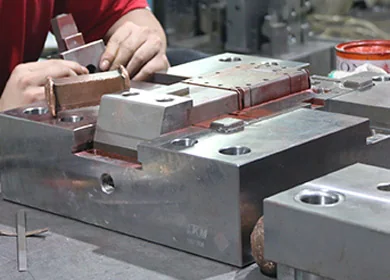
- In-House Operations
- Design, toolmaking, and trials
- First-Sample Approval
- Dimensions, fit, and appearance
What We Check on a Complex Die
Engineering checks how the part will fill and eject and how trial samples will be accepted.
- Side Holes, Undercuts, and Ejection
- Identify the direction of removal and the parting surfaces. Where a side core is needed, evaluate how it will be arranged and how far it can travel.
- Deep Cavities and Wall Thickness Changes
- Check how the metal will fill the cavity, where air will vent, and how the casting will eject.
- Fit and Surface Requirements
- Mark critical interfaces, drawing tolerances, and cosmetic surfaces. After the trial, confirm them through measurements, trial fit, and approved appearance samples.
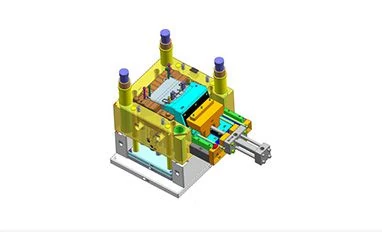
Mark Challenging Features on the Drawing
Send the current drawing, critical dimensions, and expected volume. If you have trial samples, include photos or dimensional reports and identify the issue.
Submit Drawings for a Complex Tooling ReviewStarting a New Die or a Transfer
| Item | What to Send First | What to Confirm After Trial |
|---|---|---|
| New Tooling | Part drawing, volumes, material, critical dimensions, and cosmetic surfaces | First samples, critical dimensions, appearance, and fit |
| Existing Die Transfer | Tool photos and drawings, envelope dimensions, previous samples, and maintenance records | Press compatibility, repair scope, and the first production article after transfer |
From Drawings to First Samples
Confirm Drawings and Quote
Review drawing revision, parting, and machining requirements. Confirm the tooling concept and costs with the quote.
Approve tooling inputsToolmaking and Trial
We machine and try out dies in-house. Standard tooling typically takes 35 to 40 days to first samples. Complex schedules depend on geometry and the die trial plan.
Provide trial samplesSample Approval and Die Revisions
You review critical dimensions, fit, and appearance. If a change is needed, update drawings, samples, and acceptance requirements together.
Approve samples and acceptance criteria
Storage, Retrieval, and Die Life
Can Boyi store and maintain the die?
Boyi can store and maintain the die during production. We agree cost, maintenance scope, and retrieval or transfer arrangements before the order.
Can you go straight to production with an existing die?
We first check die condition, press compatibility, interfaces, and previous samples. If repairs are needed, agree on scope and trial dates first.
How do we specify die life?
We agree on a die life target after material, design, maintenance, and operating conditions are defined. Share estimated annual volume and repeat orders.