Die Casting Secondary Operations and Surface Finishing
We choose operations that take a raw casting to an assembly-ready part, based on material, cosmetic surfaces, fit, and approved samples.
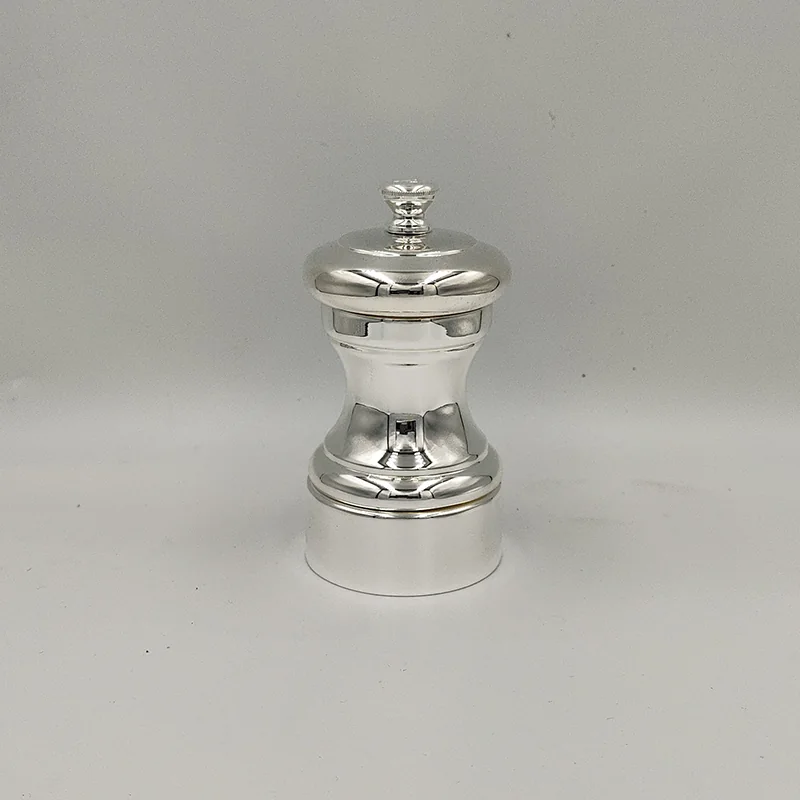
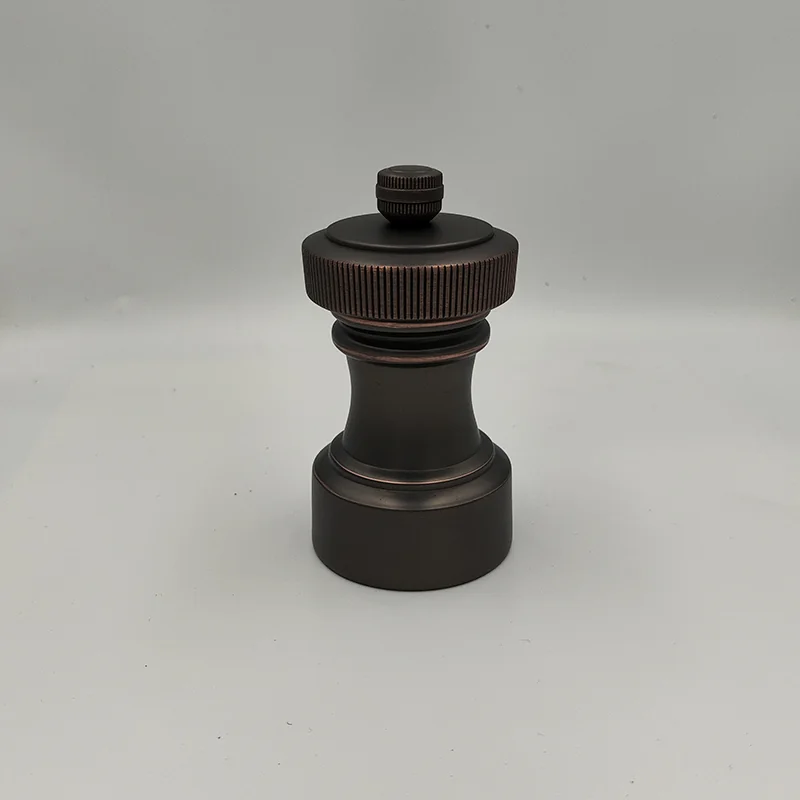
Choose Operations for the Application
| Operation | Typical Application | Information to Specify |
|---|---|---|
| Gate Removal and Deburring | Control trim marks, flash, and contact edges | Areas that may be trimmed and exposed edge requirements |
| Drilling, Tapping, and CNC Machining | Meet thread, mounting hole, or mating face requirements | Datums, dimensions, tolerances, gauges, or mating parts |
| Polishing | Smooth cosmetic surfaces and prepare the substrate for finishing | Polish zones, edges, corners, and local masking |
| Electroplating | Available for review on zinc die castings | Deposit, color sample, thickness, or adhesion requirements |
| Painting and Powder Coating | Available for review on zinc or aluminum based on material and drawings | Color, gloss, mask-off areas, and mating faces |
Three Items to Include in Your RFQ
- Appearance Reference
- Share an approved color panel, part, or target finish. Mark cosmetic surfaces and state which process marks are acceptable.
- Assembly Constraints
- Mark mating faces, threads, and contact areas where coating must not build up. Specify whether to check the raw or finished dimension.
- Acceptance Criteria
- For coating thickness, adhesion, or salt spray testing, provide the method, locations, test conditions, and pass criteria.
How to Accept the Finish
Confirm the sample and finish specification first. Record the agreed dimensions, color, and tests separately. When a result is outside the limits, compare it with the order and approved sample.