A zinc housing can be machined from stock, cast close to its final shape, or cast and then machined at selected features. For example, a housing may leave the die with its ribs and bosses in place, while a bearing seat is bored from a specified datum. The drawing, finish and expected orders determine which route is worth quoting. See our zinc die casting capabilities for details.
What Is Zinc Die Casting?
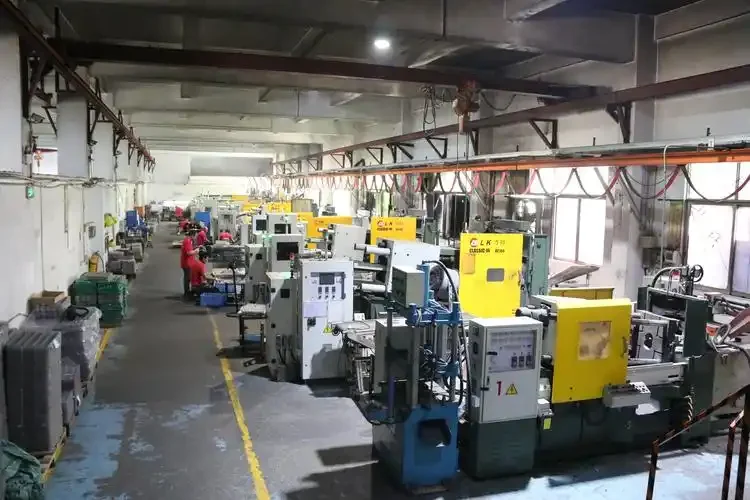
Molten zinc alloy is injected into a steel die, cooled, ejected and trimmed. Which dimensions can be held as cast depends on their length, wall geometry and how the feature is formed. A dimension formed within one die half and one measured across the parting line can have different tolerance limits. Identify the critical dimensions and their datums on the drawing so the supplier can assess each one.
The die quote depends on the number of cavities, slides, ejection features and trials needed. Estimate how many accepted parts the tool will produce over the life of this design. A repeat order can spread the initial investment further, while a design revision may require the tool to be modified.
What Is CNC Machining?
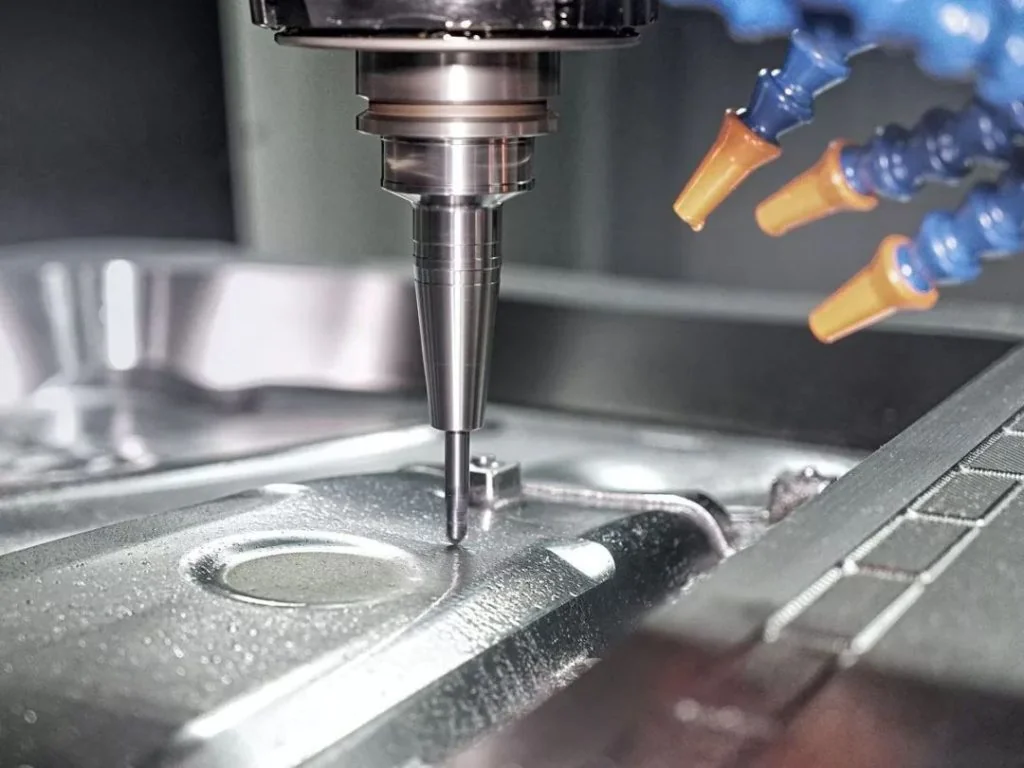
CNC milling and turning remove material from stock or a cast blank. Preparing the first batch involves programming, workholding, tool setting and checking the first part. A simple part may fit a standard vise. A thin-walled housing that must be located accurately on several faces may need a dedicated fixture and several setups.
For machined features, achievable tolerance depends on tool access, feature depth, part rigidity and how the part is located between setups. On a plated part, specify whether the drawing limits apply before or after plating. For a mating bore, agree how the finished diameter will be measured before comparing process quotes.
Cost and Volume: Tooling and Per-Part Cost
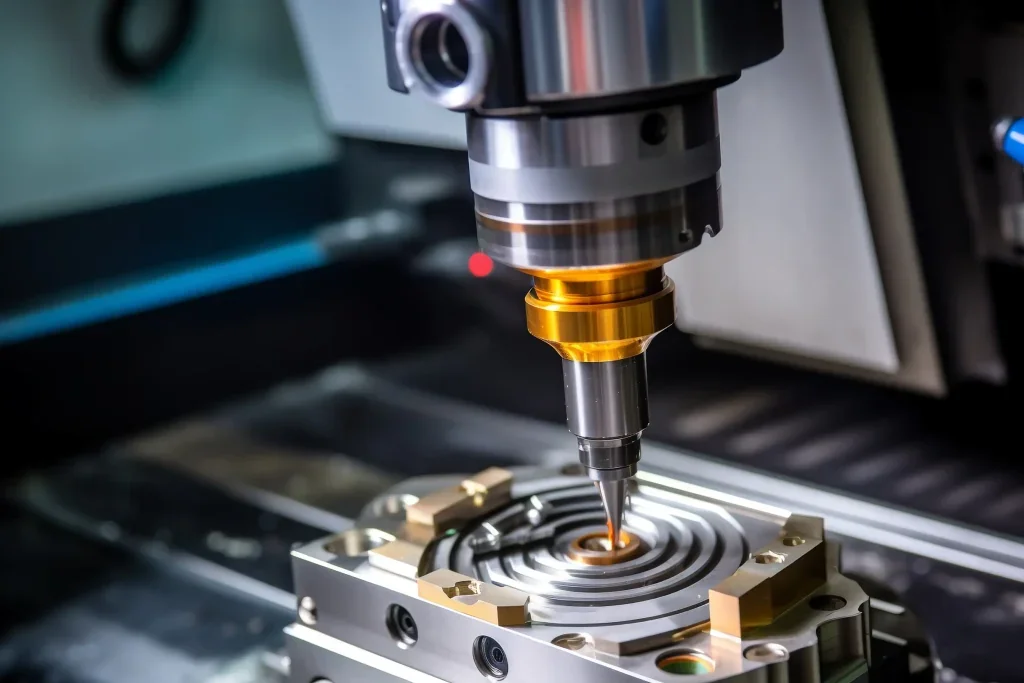
For die casting with custom tooling, request separate prices for the die and trials, setup per production run, and cost per accepted part. Include alloy, casting, trimming, secondary machining, surface finishing and inspection. For CNC, request the same finished specification and include programming, fixtures, setup per batch, stock, machine time, deburring, finishing and inspection.
Compare the total at the first order quantity and at the expected cumulative quantity across repeat orders. For each route, add one-time costs, setup costs for all planned batches and the cost of producing the required finished parts. Divide by the number of accepted parts to compare average cost. Four separate releases may require four setups even if their total quantity equals one large order. The quantity at which the quotes cross depends on those costs.
If a casting needs a second setup to machine a bore or tap a thread, include that operation in the casting quote. For both routes, compare the same coating, appearance criteria and inspection requirements. A price for a trimmed casting alone cannot tell you what a finished housing will cost.
Lead Time: Prototypes vs Mass Production
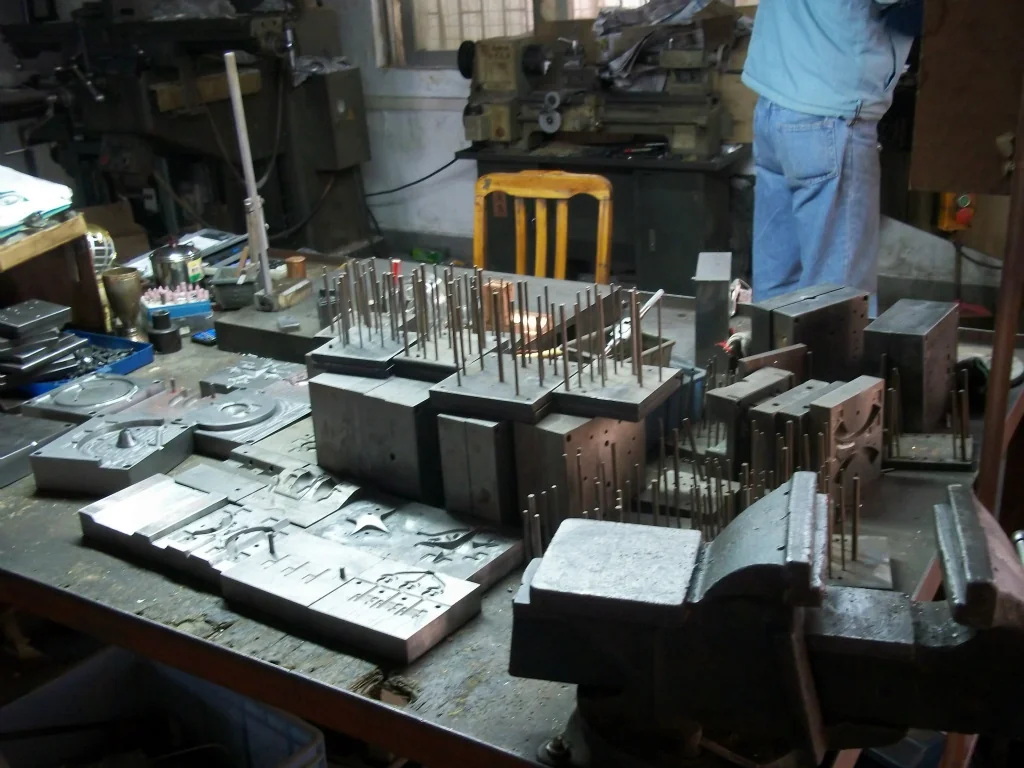
For a fit check on an evolving design, ask the machine shop when stock, programming, fixtures and inspection will be ready. A CNC prototype can help validate assembly before committing to a production die.
For a new die, allow time for tool design, manufacture, sampling and approval. If a suitable die already exists, the schedule can change substantially. Ask for separate dates for first samples and the first production batch.
Typical Applications and Industries
Zinc Die Casting is widely used in industries where moderate-strength, corrosion-resistant metal parts are needed in large quantities. The automotive sector is especially prominent: zinc castings serve in engine and transmission components, brake and steering systems, and interior trim. For example, PHB Corp lists zinc die-cast applications including “interior automotive aesthetic parts; engine and under-the-hood components; power steering systems; brake parts and systems; air-conditioning components; fuel systems… and complex net-shaped housings” . Beyond cars, zinc casts appear in building hardware (locks, hinges, door knobs), electrical/electronic enclosures (switch boxes, lighting fixtures), appliances, and toy/consumer products where cost and detail matter. For repeat orders, a stable design can make it practical to reuse the same die.
CNC Machining of zinc is common in electrical and electronics (e.g. housings for instruments, connectors, chassis), aerospace and defense (small precision brackets, instruments, medical device components), and custom industrial machinery. CNC is also used for prototypes and custom tooling – for instance, making a few units of a valve body for testing. As Fictiv notes, machined metal parts are found in “laptop enclosures, small components inside cell phones, aerospace, and automotive parts, fixtures and jigs…even casting molds” . For a precision fit on a production part, also consider machining just the critical features of a casting.
Ask for comparable quotes against the same finished drawing, batch sizes and expected lifetime demand. Confirm which features will be cast, which will be machined, and how the finished part will be inspected.
For examples of manufactured components, explore BOYI’s die cast product examples and compare them with your part requirements.
Planning a Zinc Alloy Part?
Share your 2D or 3D drawings, alloy requirements, order quantity, expected annual volume, critical dimensions and surface finish. BOYI can review the die casting requirements and any machining needed for your part.
Request a Zinc Die Casting Quote